
The rise of digital currencies has sparked a global debate about the future of traditional fiat currencies, particularly the U.S. dollar. In recent years, cryptocurrencies like Bitcoin, Ethereum, and central bank digital currencies (CBDCs) have gained significant traction, challenging the long-standing dominance of the dollar in global finance. As governments, financial institutions, and tech companies invest heavily in blockchain technology and digital assets, the question arises: Is the dollar losing its power as the world’s reserve currency? This article explores the growing influence of digital currencies, the potential impact on the global financial system, and whether the dollar’s reign is at risk in an increasingly digital world.
The Growing Popularity of Digital Currencies
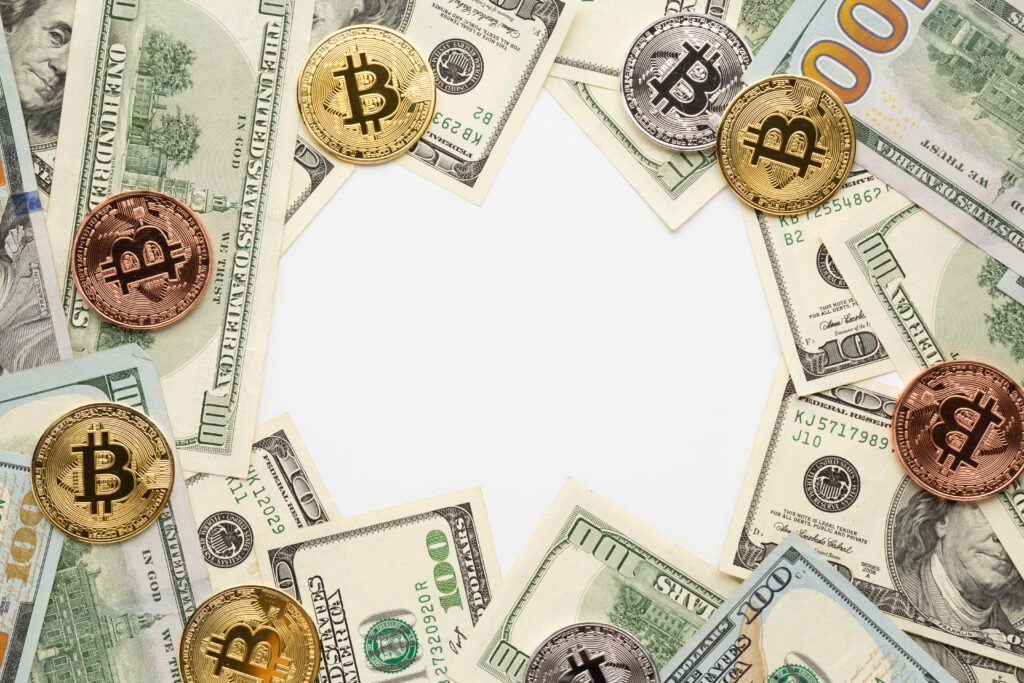
Over the past decade, digital currencies have seen exponential growth in both adoption and value. Cryptocurrencies like Bitcoin, Ethereum, and newer tokens are being embraced by individuals, businesses, and even governments around the world. Initially seen as speculative assets, these digital currencies have become increasingly mainstream, with investors viewing them as an alternative store of value, a medium of exchange, and even a hedge against inflation.
One of the key drivers behind the popularity of digital currencies is their ability to offer decentralized, borderless transactions that bypass traditional financial institutions. This makes them particularly appealing in regions with unstable currencies or limited access to banking services. The rise of decentralized finance (DeFi) platforms has also contributed to the growing interest, allowing users to borrow, lend, and trade cryptocurrencies without intermediaries.
Additionally, the increasing acceptance of cryptocurrencies by major corporations, including Tesla, PayPal, and Visa, has brought greater legitimacy to digital currencies. Governments are also exploring the concept of central bank digital currencies (CBDCs), which could further fuel the trend. As a result, digital currencies are no longer just a niche market, but are becoming a significant force in the global financial ecosystem.
The U.S. Dollar’s Dominance in Global Finance
The U.S. dollar has long held its position as the world’s primary reserve currency, playing a central role in international trade, finance, and investments. Historically, the dollar’s dominance has been backed by the strength of the U.S. economy, its stable political system, and its status as the world’s largest financial market. As a result, the dollar is used for the majority of global trade transactions, especially in commodities like oil, gold, and other critical resources, a phenomenon known as the petrodollar system.
The U.S. dollar’s status is reinforced by its widespread use in global financial markets, with foreign governments and institutions holding vast reserves of dollars to stabilize their economies and facilitate international trade. The SWIFT system, which facilitates cross-border payments, is also heavily reliant on the U.S. dollar, making it the primary medium for conducting transactions between countries.
Moreover, the Federal Reserve’s influence on global monetary policy and the deep liquidity of U.S. financial markets has allowed the dollar to maintain its strength even during times of global economic turbulence. This dominance is further supported by the stability and trust that investors have in U.S. government debt, particularly U.S. Treasury bonds, which are considered one of the safest assets globally.
Despite challenges and growing competition from digital currencies and other national currencies, the U.S. dollar remains the cornerstone of the international financial system, with its role as a store of value and medium of exchange unlikely to be displaced in the near future.
Cryptocurrencies vs. Traditional Fiat Currencies
Cryptocurrencies and traditional fiat currencies differ in several key ways, from their underlying technology to their governance and the role they play in the global financial system. Understanding these differences is crucial as digital currencies continue to rise in popularity, challenging the dominance of traditional money.
1. Centralization vs. Decentralization
Traditional fiat currencies, such as the U.S. dollar, euro, and yen, are issued and regulated by central banks or governments. These institutions control the money supply, set interest rates, and implement monetary policies to stabilize the economy. In contrast, cryptocurrencies like Bitcoin and Ethereum operate on decentralized networks, meaning no central authority governs them. Instead, they rely on blockchain technology, a distributed ledger maintained by a network of computers (nodes), which ensures transparency, security, and immutability of transactions.
2. Supply Control and Inflation
Fiat currencies are subject to inflationary pressures, as central banks can print more money to stimulate economic growth or address financial crises. While this gives governments flexibility in managing their economies, it can also lead to inflation if too much money is printed. On the other hand, many cryptocurrencies, such as Bitcoin, have a fixed supply limit (21 million coins for Bitcoin), making them less susceptible to inflation. This scarcity is seen as an advantage by some investors who view cryptocurrencies as a hedge against inflation.
3. Transaction Speed and Cost
Traditional fiat currencies are often transferred through established banking systems or financial networks like SWIFT. While these systems are secure, they can be slow and costly, especially for international transfers. In contrast, cryptocurrencies can enable near-instantaneous transactions across borders, with lower fees, bypassing intermediaries. However, the scalability of cryptocurrencies is still a challenge, as networks like Bitcoin’s can experience congestion, leading to higher transaction fees and slower processing times during periods of high demand.
4. Stability and Trust
Fiat currencies are generally more stable due to the backing of national governments and central banks, which can intervene in times of crisis to protect the value of the currency. Cryptocurrencies, however, can be highly volatile, with their value fluctuating significantly within short periods. While some see this as an opportunity for higher returns, it can also pose a risk to investors and users. The lack of a central authority to stabilize cryptocurrencies during market downturns can be a disadvantage in times of economic instability.
5. Regulation and Adoption
Fiat currencies are heavily regulated by governments, ensuring they are accepted as legal tender for goods and services within their respective countries. This broad adoption and acceptance make fiat currencies highly practical for everyday use. Cryptocurrencies, on the other hand, are still in the process of being integrated into the global financial system, with varying degrees of regulation and acceptance in different countries. While some nations, like El Salvador, have made Bitcoin legal tender, others have banned or heavily restricted their use.
6. Use Cases and Financial Inclusion
Cryptocurrencies provide significant opportunities for financial inclusion, particularly in regions with limited access to traditional banking services. Digital currencies can enable unbanked populations to participate in the global economy through smartphones and the internet. Traditional fiat currencies, while universal in their acceptance, often require access to banking infrastructure or physical currency exchange, which can exclude certain populations.
Ultimately, the ongoing debate between cryptocurrencies and traditional fiat currencies revolves around trust, stability, and the potential for technological innovation. As cryptocurrencies continue to evolve and gain wider acceptance, they will likely coexist with fiat currencies, offering alternative financial solutions while challenging the status quo of the traditional financial system.
Central Bank Digital Currencies (CBDCs): The Future of Money?
Central Bank Digital Currencies (CBDCs) are digital forms of a nation’s fiat currency issued and regulated by the central bank. Unlike decentralized cryptocurrencies like Bitcoin, CBDCs are centralized and are backed by the full faith and credit of the issuing government. As digital currencies continue to gain prominence, many central banks worldwide are exploring or developing CBDCs as a response to the growing demand for digital payments, the rise of cryptocurrencies, and the evolving landscape of global finance.
1. What Are CBDCs?
CBDCs are essentially digital versions of existing national currencies, designed to be used as legal tender for transactions. Unlike cryptocurrencies, which operate on decentralized networks, CBDCs are controlled by central banks, which can regulate their supply and implement monetary policies to stabilize the economy. They aim to combine the benefits of digital currencies—such as fast and secure transactions—with the stability and trust that come from central bank backing.
2. Advantages of CBDCs
- Efficiency and Cost-Effectiveness: CBDCs could streamline payment systems, making transactions faster and more affordable, especially for cross-border transfers. This could potentially reduce the costs and inefficiencies of traditional banking systems.
- Financial Inclusion: By providing a digital alternative to physical cash, CBDCs could help bridge the gap for unbanked populations, giving them access to a secure, government-backed currency through smartphones and other digital devices.
- Enhanced Monetary Policy: With CBDCs, central banks could have more precise control over monetary policy, such as interest rates and money supply, potentially allowing for faster and more effective responses to economic challenges.
- Security and Transparency: CBDCs would likely incorporate blockchain or distributed ledger technology (DLT), enhancing transaction transparency and security. This could help reduce fraud and ensure more efficient tracking of funds.
3. Challenges and Concerns
- Privacy Issues: A major concern with CBDCs is the potential for government surveillance over individuals’ financial transactions. Unlike cash, which offers anonymity, digital currencies could allow authorities to monitor spending habits, raising privacy concerns among citizens.
- Cybersecurity Risks: As with any digital system, CBDCs are vulnerable to hacking and cyberattacks. Central banks must invest heavily in secure infrastructure to ensure the integrity of these digital currencies.
- Displacement of Traditional Banks: CBDCs could challenge the role of commercial banks in the financial system. If individuals and businesses can hold CBDCs directly with the central bank, it may reduce the need for traditional banking services like savings accounts or lending, which could disrupt the banking sector.
- Global Competition and Geopolitics: With multiple countries developing their own CBDCs, there may be competition for global dominance in digital currency markets. For example, if China’s Digital Yuan becomes widely adopted, it could challenge the U.S. dollar’s role as the world’s reserve currency. This geopolitical shift could have far-reaching consequences for international trade and finance.
4. Global Adoption of CBDCs
Several countries are actively exploring or piloting CBDCs, including China, the European Union, and the United States. China’s Digital Yuan is the most advanced, with significant efforts to test and roll out the currency in various cities. The European Central Bank and the Bank of England are also investigating the potential of a digital euro and digital pound, respectively. The U.S. Federal Reserve, while slower to adopt, has acknowledged the need for a digital dollar in order to maintain the dollar’s global influence in the future.
5. CBDCs vs. Cryptocurrencies
While both CBDCs and cryptocurrencies are digital currencies, their core differences lie in control and decentralization. Cryptocurrencies are decentralized, operate without a central authority, and are often seen as an alternative to traditional government-issued currencies. In contrast, CBDCs are centralized, fully regulated by central banks, and aim to coexist with existing financial systems. While CBDCs may not challenge cryptocurrencies directly, they could provide a more stable and government-backed digital alternative to decentralized currencies.
6. The Future of CBDCs
CBDCs are likely to play a significant role in the future of money, especially as digital payments continue to grow in importance. They may not replace traditional currencies entirely, but rather complement them, offering a secure, efficient, and modern way to conduct transactions. As more countries explore the concept, the global financial landscape could see greater integration of digital currencies, with central banks exercising more control over the money supply in a digitally-driven economy.
Ultimately, the success of CBDCs will depend on balancing their benefits—such as efficiency, inclusion, and security—against concerns about privacy, security, and the potential disruption to existing financial systems. As central banks continue to develop and refine their digital currency initiatives, the question remains: will CBDCs become the future of money, or are they simply another step in the evolution of digital payments?
How Digital Currencies Could Challenge the Dollar
As digital currencies continue to gain traction, the U.S. dollar’s position as the world’s primary reserve currency could be under threat. While the dollar has been dominant in international trade, finance, and investment for decades, the rise of digital currencies—especially cryptocurrencies and Central Bank Digital Currencies (CBDCs)—is prompting new discussions about the future of global currency systems. These digital alternatives may offer numerous advantages over traditional fiat currencies, potentially reshaping the financial landscape and challenging the supremacy of the U.S. dollar.
1. Decentralization and Global Access
Cryptocurrencies like Bitcoin and Ethereum offer decentralized, borderless alternatives to traditional currencies. Unlike the U.S. dollar, which is controlled by the Federal Reserve and subject to U.S. monetary policies, digital currencies are not tied to any specific country or government. This allows individuals and businesses around the world to engage in transactions without reliance on a central authority, reducing the dollar’s dominance in global trade and cross-border payments.
Moreover, digital currencies can offer enhanced financial inclusion for regions with limited access to traditional banking services. By using smartphones and internet access, individuals can directly engage in the global economy without the need for a bank account or government-issued currency, weakening the need for the U.S. dollar in areas where traditional banking infrastructure is lacking.
2. Central Bank Digital Currencies (CBDCs)
Central Bank Digital Currencies, or CBDCs, are digital versions of national fiat currencies issued and regulated by central banks. Several countries, including China, the European Union, and the U.S., are exploring or testing CBDCs. If widely adopted, CBDCs could offer many of the same benefits as cryptocurrencies—such as fast, secure, and low-cost transactions—while remaining centralized and controlled by governments.
Countries like China are actively developing the Digital Yuan, positioning it as a potential alternative to the U.S. dollar in international trade and finance. The Digital Yuan’s integration into global payment systems could challenge the dollar’s dominance, especially if other nations begin to use it in lieu of the dollar for cross-border transactions. For example, if China’s digital currency becomes widely accepted in global trade, countries may be more inclined to hold reserves in the Digital Yuan rather than the U.S. dollar, reducing the dollar’s role as the world’s reserve currency.
3. Cross-Border Transactions and Reduced Reliance on SWIFT
Currently, most international payments are processed through systems like SWIFT, which relies on the U.S. dollar for many transactions. This system has allowed the U.S. to exert significant influence over global financial flows, as the dollar is used as the intermediary currency for many cross-border payments. However, digital currencies, particularly cryptocurrencies and CBDCs, could bypass traditional payment systems like SWIFT.
For instance, cryptocurrencies enable peer-to-peer transactions across borders without the need for intermediaries. These transactions can be processed quickly and with low fees, offering a competitive alternative to the traditional banking system. If digital currencies continue to be adopted for global trade, this could reduce the dollar’s dominance in international payments and weaken the U.S. financial system’s control over global financial markets.
4. Diversification of Reserves and the Rise of Alternative Assets
The rise of digital currencies may prompt central banks and institutional investors to diversify their foreign currency reserves away from the U.S. dollar. Countries seeking to reduce their reliance on the dollar could invest in assets like Bitcoin, gold, or other alternative currencies. This trend could reduce the demand for U.S. dollar-denominated assets, leading to a decline in the dollar’s value and its importance in global reserves.
For example, El Salvador made headlines by adopting Bitcoin as legal tender, signaling a shift away from the U.S. dollar in certain economic transactions. While this move is still in its early stages, it suggests that some countries may increasingly look to digital assets as an alternative to the dollar for reserves, signaling the beginning of a broader trend.
5. Geopolitical Implications and Trade Agreements
Countries that are critical of U.S. foreign policies or financial sanctions may seek to bypass the U.S. dollar by using digital currencies or developing alternatives to the dollar-based financial system. For example, Russia and Iran have explored using cryptocurrencies and other methods of digital payment to circumvent U.S. sanctions and engage in international trade without relying on the dollar.
Additionally, regional trade agreements, particularly in Asia and Europe, could incentivize the adoption of CBDCs or cryptocurrencies for cross-border transactions. If countries begin to settle trades in their own digital currencies or adopt a shared digital currency for trade, this could gradually reduce the U.S. dollar’s role in international commerce and lead to a more diversified currency system.
6. Impact on Global Economic Stability
While the rise of digital currencies may present opportunities, it also carries risks for economic stability. A shift away from the dollar could result in increased volatility in global financial markets, as the dollar currently provides a stabilizing force in the international system. The U.S. dollar is considered a safe haven during times of global uncertainty, with many investors flocking to dollar-denominated assets when markets are volatile.
The development of digital currencies, however, presents an unpredictable dynamic in the global economy. As more countries adopt digital currencies, there could be a fragmentation of the global currency system, with different regions and nations using different digital assets for trade, reserves, and investments. This could lead to increased financial volatility, making the global economic system less predictable and harder to manage.
The Role of Blockchain Technology in Financial Systems
Blockchain technology, the backbone of cryptocurrencies like Bitcoin and Ethereum, has the potential to revolutionize the financial sector by providing a secure, transparent, and decentralized alternative to traditional financial systems. At its core, blockchain is a distributed ledger technology (DLT) that allows data to be stored across a network of computers in a way that is tamper-proof and transparent. This innovation has far-reaching implications for the way financial transactions are conducted, recorded, and verified across the globe.
1. Transparency and Security
One of the most significant benefits of blockchain technology in financial systems is its transparency. Every transaction on the blockchain is recorded on a public ledger that is accessible to all participants within the network. This eliminates the need for intermediaries to verify transactions, as the decentralized nature of the blockchain ensures that every participant can independently verify and validate the information.
Additionally, blockchain’s security features make it nearly impossible to alter any data once it has been recorded on the ledger. The use of cryptographic algorithms ensures that transactions are secure and tamper-resistant. This makes blockchain particularly useful in areas of finance where fraud prevention, secure data handling, and the protection of sensitive information are paramount.
2. Decentralization and Efficiency
Traditional financial systems rely heavily on centralized institutions such as banks, clearinghouses, and payment processors to facilitate transactions. These intermediaries introduce delays and additional costs due to the need for approval and verification of each transaction. Blockchain eliminates the need for these middlemen by allowing peer-to-peer transactions in a decentralized network, drastically improving transaction speed and efficiency.
For instance, cross-border payments, which typically take several days and incur significant fees due to intermediaries and currency conversions, can be processed on a blockchain network in a matter of minutes and at a much lower cost. This decentralized structure also reduces the risk of a single point of failure, as the system does not rely on one central authority.
3. Smart Contracts and Automation
Smart contracts are self-executing contracts with the terms of the agreement directly written into code. These contracts automatically execute actions once certain predefined conditions are met. In financial systems, smart contracts can be used for automating various tasks such as clearing and settlement, trade finance, insurance claims, and even loan agreements.
By automating the execution of contractual terms, blockchain technology can reduce the need for manual intervention, minimize errors, and accelerate business processes. This not only increases efficiency but also lowers costs and the potential for fraud or human error in financial transactions.
4. Financial Inclusion and Access to Services
Blockchain has the potential to provide financial inclusion to the unbanked and underbanked populations, especially in developing countries. Traditional banking systems are often inaccessible due to lack of infrastructure or the high costs associated with setting up banking services. Blockchain, however, can enable secure, low-cost financial services via mobile devices, allowing individuals without access to banks to participate in the global economy.
Cryptocurrencies, which operate on blockchain networks, are also allowing people in regions with unstable or inflation-prone currencies to use alternative forms of digital money. This provides a safeguard against economic instability and offers access to financial services like savings, lending, and investment without the need for a traditional bank account.
5. Tokenization of Assets
Blockchain technology enables the tokenization of assets, allowing physical or intangible assets—such as real estate, stocks, or even art—to be represented digitally as tokens on a blockchain. These tokens can then be traded, transferred, and stored on the blockchain, providing greater liquidity and accessibility to a wide range of markets.
Tokenization also opens the door to fractional ownership, where investors can buy shares in high-value assets like real estate or artwork without needing to invest large amounts of capital. This democratizes access to investment opportunities and enables more efficient capital markets.
6. Enhanced Cross-Border Payments and Settlements
Blockchain’s ability to facilitate fast and low-cost cross-border payments is one of its most transformative applications in finance. Current international payment systems like SWIFT involve multiple intermediaries, high fees, and lengthy processing times. Blockchain networks, however, allow for peer-to-peer cross-border payments that bypass traditional banking channels, reducing both transaction time and cost.
For instance, Ripple (XRP), a blockchain-based payment protocol, is used by banks and financial institutions to settle cross-border transactions in real time. Blockchain technology’s ability to streamline these payments not only increases the efficiency of global trade but also makes international remittances more accessible and affordable for people sending money across borders.
7. Regulatory Compliance and Anti-Money Laundering (AML)
Blockchain technology has the potential to help financial institutions comply with regulatory standards and anti-money laundering (AML) efforts. The transparent and immutable nature of the blockchain allows for a verifiable audit trail of all transactions, making it easier for regulators to track suspicious activities and ensure compliance with legal requirements.
By automating reporting, auditing, and compliance checks, blockchain technology can reduce the administrative burden on financial institutions and improve the accuracy and speed of regulatory oversight. This not only strengthens financial systems but also helps prevent illicit activities like money laundering and fraud.
8. The Future of Blockchain in Finance
The continued development of blockchain technology is poised to have an even greater impact on the future of financial systems. As more financial institutions, governments, and businesses adopt blockchain-based solutions, the technology will likely drive the evolution of global finance. We may see the widespread adoption of CBDCs (Central Bank Digital Currencies), where governments issue their own digital currencies on blockchain networks, further integrating blockchain into the traditional financial ecosystem.
As the technology matures, its use will likely expand beyond cryptocurrencies to include a wide range of financial services, from insurance and securities trading to digital identity verification and supply chain management. The financial sector’s adoption of blockchain promises to increase efficiency, reduce costs, and create more secure, inclusive financial systems for the future.
Geopolitical Implications of a Shifting Global Currency Landscape
The global currency landscape has long been dominated by the U.S. dollar, which serves as the world’s primary reserve currency and the preferred medium for international trade. However, emerging trends such as the rise of digital currencies, the development of Central Bank Digital Currencies (CBDCs), and growing efforts by countries to diversify away from the dollar are signaling a potential shift in the financial order. These changes carry significant geopolitical implications that could reshape global power dynamics, influence trade relationships, and alter the structure of international finance.
1. Erosion of U.S. Dollar Dominance
For decades, the U.S. dollar has been at the center of global finance. It is widely used in international trade, serves as the preferred currency for foreign exchange reserves, and is the primary medium for cross-border transactions. However, as countries increasingly seek alternatives to the dollar—such as digital currencies or other national currencies—the dollar’s dominance may start to erode. This shift could have profound geopolitical consequences, as countries and regions would no longer be as reliant on the U.S. for economic and financial stability.
The de-dollarization trend, especially among emerging markets and countries that have experienced economic sanctions or political tension with the U.S., has accelerated in recent years. If countries move away from using the dollar for trade and reserves, the U.S. could lose some of its economic influence and ability to dictate global monetary policies.
2. Rise of Digital Currencies and Central Bank Digital Currencies (CBDCs)
The development and adoption of Central Bank Digital Currencies (CBDCs) is one of the key factors contributing to a shift away from the dollar. Countries like China, Russia, and the European Union are exploring or already implementing CBDCs to facilitate faster, more efficient, and secure digital payments. The Digital Yuan in China, for example, is being tested in various regions and has the potential to be used for international trade, reducing reliance on the U.S. dollar.
CBDCs, unlike decentralized cryptocurrencies, are issued and controlled by central banks, which means that governments can exert full control over their monetary systems. This gives countries more control over their domestic economies while potentially offering a more stable alternative to the volatility associated with cryptocurrencies like Bitcoin. If CBDCs are widely adopted, they could challenge the dollar’s role in global finance by providing an alternative for countries to conduct cross-border transactions, bypassing traditional dollar-denominated systems.
3. Shifting Trade Alliances and Economic Blocs
As nations explore alternatives to the U.S. dollar, we could see a shift in global trade alliances and the creation of new economic blocs. Countries seeking to reduce their reliance on the dollar may begin to settle trade deals in their own currencies or through a new regional digital currency. For example, China and Russia have already taken steps to use their own currencies—the yuan and the ruble—for trade, particularly with countries in Asia, Europe, and the Middle East.
A move away from the dollar could lead to the formation of economic and trade partnerships based on alternative currencies or digital currencies, potentially weakening U.S. influence in global trade. Regional economic powers like China may emerge as dominant players in these new alliances, shifting the balance of global economic power.
4. Geopolitical Tensions and Economic Sanctions
The ability to enforce economic sanctions has been one of the U.S.’s primary tools of geopolitical influence. The U.S. dollar’s dominance in global trade means that sanctions imposed by the U.S. have far-reaching consequences, as countries reliant on the dollar for trade and reserves have limited options to bypass U.S. sanctions.
However, as countries begin to adopt alternative currencies and digital payment systems, they may find ways to circumvent U.S. sanctions. For example, the rise of cryptocurrencies and blockchain-based payment systems offers countries a means of transacting outside the traditional banking system, making it harder for the U.S. to exert its financial influence. In response, the U.S. may need to adapt its approach to sanctions or risk losing leverage in international politics.
Furthermore, countries that are subject to U.S. sanctions may seek to form alliances with others who are also seeking to distance themselves from the U.S. financial system, creating new geopolitical blocs that challenge U.S. dominance.
5. Impact on Global Reserve Currency Status
The U.S. dollar has long served as the world’s primary reserve currency, meaning that central banks around the world hold large quantities of dollars in their foreign exchange reserves. This status provides the U.S. with significant economic advantages, including lower borrowing costs and the ability to run trade deficits without the same level of concern over currency depreciation.
However, if other currencies—such as the Chinese yuan, the euro, or even a new digital reserve currency—gain traction in global trade and reserve holdings, the U.S. could face challenges to its economic supremacy. While the dollar is unlikely to be displaced as the global reserve currency overnight, the gradual shift toward alternative currencies could lead to a more multipolar currency system, where multiple currencies play a significant role in global trade and finance.
6. Potential for a New Global Currency System
In response to the changing dynamics of global currency markets, there could be a push for a new global currency system. As countries look for alternatives to the U.S. dollar, there may be calls for the creation of a global digital currency or a new reserve currency that can serve as a neutral, stable alternative to national currencies. Such a system could be managed by an international body, such as the International Monetary Fund (IMF), and would aim to reduce dependence on any single currency, particularly the U.S. dollar.
This new system could be based on blockchain technology and digital assets, providing a more secure, transparent, and efficient way to conduct global transactions. If implemented, such a currency could reshape the structure of global finance and potentially reduce the geopolitical leverage held by the U.S. and other dominant economic powers.
7. The Role of Emerging Markets in the New Currency Landscape
Emerging markets, which have long been dependent on the U.S. dollar for trade and reserves, could play a pivotal role in the shift toward alternative currencies. As these markets seek to reduce their vulnerability to U.S. monetary policies and sanctions, they may increasingly turn to regional currencies or digital currencies to facilitate trade.
For instance, countries in Latin America, Africa, and Asia may collaborate to create new currency arrangements or adopt CBDCs to bypass the dollar. These shifts could enhance the economic influence of emerging markets, which may seek to leverage their growing economic power to establish new financial systems and reduce their dependence on traditional Western financial institutions.
Is the Dollar Losing Its Power? Risks and Opportunities
The U.S. dollar has long been the dominant global currency, serving as the preferred reserve currency for central banks and the go-to medium for international trade. However, recent geopolitical and economic shifts have raised questions about the future of the dollar’s dominance. As nations explore alternatives like Central Bank Digital Currencies (CBDCs), cryptocurrencies, and regional trade agreements in their own currencies, the dollar’s supremacy may be at risk. This evolution of the global financial landscape presents both risks and opportunities for investors, governments, and businesses alike.
1. The Declining Dominance of the Dollar in Global Trade
For decades, the U.S. dollar has been the primary currency used in international trade, accounting for the vast majority of global transactions. However, there are signs that this dominance is beginning to erode. Countries like China, Russia, and India have been making concerted efforts to reduce their dependence on the dollar by increasing the use of their own currencies in bilateral trade agreements. For example, China has signed several deals with countries in Asia, Africa, and Latin America to settle trade in yuan, bypassing the U.S. dollar entirely.
Furthermore, the rise of cryptocurrencies—particularly Bitcoin and Ethereum—has introduced an alternative to traditional currency systems. Cryptocurrencies are decentralized, borderless, and not controlled by any central authority, which makes them appealing for cross-border transactions that do not involve the U.S. dollar. As more businesses and countries adopt cryptocurrencies for trade, the dollar’s role in global commerce could diminish, posing a risk to its long-standing dominance.
2. The Push for De-Dollarization
A growing trend of de-dollarization—the process of reducing reliance on the U.S. dollar in trade, reserves, and investments—has been gaining momentum, particularly among emerging markets. Many countries, particularly those that are economically or politically at odds with the U.S., are looking for ways to bypass the dollar in their financial systems. Russia and China have been leading the charge, creating financial institutions and payment systems that operate outside the U.S.-dominated SWIFT network.
For instance, Russia has significantly increased its gold reserves and has encouraged the use of the ruble in international transactions, particularly with countries in the Eurasian region. Similarly, China’s Digital Yuan—a central bank-issued digital currency—has the potential to challenge the U.S. dollar’s dominance in international trade, especially in Asia and with countries participating in China’s Belt and Road Initiative. As more nations join the de-dollarization movement, the power of the U.S. dollar may diminish over time, particularly in certain regions.
3. The Rise of Central Bank Digital Currencies (CBDCs)
The introduction of Central Bank Digital Currencies (CBDCs) has emerged as a key factor in the potential decline of the dollar’s global influence. Governments and central banks around the world, including the European Central Bank and the People’s Bank of China, are developing their own digital currencies to provide secure, efficient, and traceable alternatives to physical money. Unlike cryptocurrencies, which are decentralized, CBDCs are issued and controlled by central banks, which allows governments to retain oversight and ensure financial stability.
CBDCs could disrupt the dollar’s dominance by offering a fast, cost-effective, and scalable method for conducting cross-border transactions. Countries that adopt CBDCs may find it easier to bypass the U.S. dollar in international trade, reducing the dollar’s role in the global financial system. Additionally, the use of CBDCs for international payments could offer greater efficiency and lower transaction fees compared to traditional dollar-based systems.
4. Risks: The Potential Impact of a Weakened Dollar
The decline of the U.S. dollar’s power poses several risks to the U.S. economy and its global influence. The most immediate risk is the loss of economic leverage that the U.S. currently enjoys due to its control over the dollar. The dollar’s status as the world’s reserve currency allows the U.S. to borrow at low interest rates, run trade deficits, and exert significant influence over global financial markets. If the dollar’s dominance is challenged, the U.S. could face higher borrowing costs, greater inflationary pressures, and a reduced ability to influence global financial policies.
A weakened dollar could also lead to increased volatility in global markets. If countries begin to diversify their reserves away from the dollar and invest in alternative assets like gold or cryptocurrencies, this could create uncertainty in the global financial system. A shift away from the dollar could lead to currency fluctuations, trade imbalances, and challenges for businesses that rely on dollar-denominated contracts and transactions.
5. Opportunities: Diversification and Investment
While the decline of the dollar may pose risks, it also creates new opportunities for investors and businesses. As the global currency landscape evolves, there are opportunities to diversify investments and reduce exposure to the dollar. Investors may consider allocating assets into foreign currencies, gold, or cryptocurrencies like Bitcoin and Ethereum, which are gaining popularity as alternative stores of value.
Cryptocurrency markets, in particular, could present significant growth opportunities. As more businesses and countries embrace cryptocurrencies for cross-border payments, the demand for decentralized currencies could rise. Cryptocurrencies offer a hedge against inflation and political instability, which makes them appealing during times of dollar weakness.
Additionally, businesses that operate internationally may find new opportunities in cross-border trade and finance by utilizing alternative currencies or blockchain-based systems. With the rise of digital currencies and decentralized finance (DeFi), companies may be able to streamline their international transactions, reduce transaction fees, and avoid potential currency risk related to the dollar.
6. The Role of the U.S. in a Changing Currency Landscape
Despite the growing competition, the U.S. dollar is unlikely to lose its global influence overnight. The dollar remains deeply entrenched in global trade, and its role as the world’s primary reserve currency is supported by the size and stability of the U.S. economy. The U.S. has also maintained significant geopolitical influence, which bolsters the dollar’s continued dominance in global finance.
However, the U.S. will need to adapt to the changing currency landscape by embracing digital currencies and modernizing its financial infrastructure. If the U.S. can capitalize on the growth of blockchain technology and explore the potential of a digital dollar, it may be able to maintain its economic leadership and ensure the dollar’s relevance in a new, multi-currency world.
The Future of Global Currency: Coexistence or Replacement?
As the world’s financial landscape evolves, one of the most pressing questions on the minds of economists, investors, and governments alike is whether the U.S. dollar, long the dominant global currency, will continue to hold its place or be replaced by new forms of digital currencies. With the rise of cryptocurrencies, Central Bank Digital Currencies (CBDCs), and regional currency agreements, the future of the global currency system is in flux. Will these new digital alternatives coexist with traditional currencies, or will they eventually replace them? The answer to this question has profound implications for global finance, international trade, and geopolitics.
1. The Current Role of the U.S. Dollar in Global Finance
The U.S. dollar has held a central position in global finance for decades. As the world’s primary reserve currency, it is used in the vast majority of international trade transactions, serves as the standard for most central bank reserves, and plays a crucial role in the global banking system. The U.S. dollar’s dominance is supported by the size and strength of the U.S. economy, the stability of its financial institutions, and the U.S.’s geopolitical influence.
However, as global trade and finance become increasingly digitized, the dollar’s monopoly is being challenged. Emerging markets, led by China and Russia, are seeking alternatives to the dollar, and a variety of factors—including the potential for economic sanctions, inflation, and shifts in global power—are driving this push. Central banks in countries such as China, India, and Brazil are exploring the use of their national currencies for international transactions, and cryptocurrencies are gaining traction as a decentralized, borderless alternative to traditional currencies.
2. The Rise of Cryptocurrencies and Blockchain Technology
Cryptocurrencies like Bitcoin, Ethereum, and others have introduced a new paradigm in currency systems. They operate outside the control of any central authority, leveraging blockchain technology to ensure secure, transparent, and decentralized transactions. This decentralization offers distinct advantages, particularly for countries looking to bypass the traditional banking system, avoid reliance on a single global currency, or reduce exposure to political risks and economic sanctions.
Cryptocurrencies are particularly appealing in regions experiencing currency instability, hyperinflation, or financial crises, where local currencies may lose value rapidly. In countries like Venezuela or Argentina, people have turned to Bitcoin and other cryptocurrencies as a store of value and medium of exchange, bypassing their domestic currencies altogether. If cryptocurrencies continue to gain adoption, they could pose a serious challenge to the traditional dominance of the U.S. dollar, offering a global, decentralized alternative to fiat currencies.
3. Central Bank Digital Currencies (CBDCs): A State-Controlled Digital Future
In response to the rise of cryptocurrencies, many governments are exploring the development of their own Central Bank Digital Currencies (CBDCs). Unlike decentralized cryptocurrencies, CBDCs are digital versions of a country’s fiat currency and are issued and controlled by central banks. Countries like China and the European Union have already begun to pilot or test CBDCs, with China’s Digital Yuan (or e-CNY) leading the way.
CBDCs are seen as a way to combine the advantages of digital currencies—such as fast, secure, and borderless transactions—while maintaining the control and stability that central banks provide. Governments can use CBDCs to ensure financial inclusion, reduce transaction costs, and combat money laundering and illegal activities by making all transactions traceable. In a world where national currencies can be digitized and regulated, CBDCs could become a serious challenger to the U.S. dollar’s supremacy in global trade, particularly if countries begin to adopt them for cross-border transactions.
4. Coexistence of Currencies: A Multipolar Future
Rather than a clear replacement of the U.S. dollar, the future of global currency could see a multipolar system where different currencies coexist and serve different purposes. The U.S. dollar may still dominate in certain markets, particularly in trade between the U.S. and its closest allies, but other currencies—especially the euro, Chinese yuan, and digital currencies—could take a larger role in international trade and finance.
This scenario would involve a basket of currencies serving as alternatives to the dollar in specific contexts. For instance, China’s yuan could become more widely used in Asia and other parts of the world due to China’s growing economic influence. Digital currencies could facilitate faster and cheaper cross-border payments, while CBDCs might dominate domestic transactions and settle international trades in a highly regulated and controlled manner.
A multipolar currency system could lead to greater currency diversification for central banks, reducing the risks of relying on a single currency like the dollar. However, it could also create complexity in global markets, as businesses and governments would need to manage exposure to a variety of currencies with fluctuating values and risks.
5. The Impact of Geopolitical Shifts on Currency Systems
Geopolitical tensions, such as trade wars, sanctions, and economic rivalries, play a significant role in the future of the global currency system. For example, China’s ambition to internationalize the yuan and create a parallel global financial infrastructure outside the U.S. dollar system could accelerate as a response to U.S.-led sanctions. In such a scenario, the yuan may become a more prominent alternative to the dollar in international trade, particularly in regions where China has significant influence, like Africa and Asia.
Similarly, regional alliances and trade agreements could lead to the creation of new regional currencies or financial systems. The European Union, for example, has already pushed for greater financial independence from the U.S. and has been developing initiatives to reduce the euro’s reliance on the dollar in global trade.
6. The Risks and Opportunities for Global Finance
As digital currencies and alternative systems challenge the dominance of the U.S. dollar, there are both risks and opportunities. For the U.S., the decline of the dollar’s dominance could mean higher borrowing costs, a loss of economic leverage, and reduced ability to impose economic sanctions. On the other hand, it could also encourage financial innovation, particularly in the areas of blockchain technology, cryptocurrency regulation, and the development of a digital dollar.
For investors, this shift presents new opportunities in digital assets, cross-border investments, and emerging markets that are adopting alternative currencies. Companies that can adapt to the changing landscape of global finance may benefit from lower transaction costs, more efficient supply chains, and access to new markets that prefer alternative currencies or decentralized systems.
7. The Road Ahead: Coexistence or a New World Currency?
The future of global currency is not clear-cut. A coexistence model where the U.S. dollar, digital currencies, and other national currencies all play roles in global trade and finance seems more likely than a complete replacement of the dollar. However, the possibility of a new global reserve currency, whether it’s a digital currency or a basket of existing currencies, cannot be ruled out.
In this evolving landscape, governments, businesses, and investors will need to stay informed about the development of digital currencies, CBDCs, and geopolitical trends. The shift away from the U.S. dollar may be gradual, but it has the potential to significantly reshape the structure of global trade, finance, and power.
Conclusion
The future of global currency is entering a transformative phase, with the rise of cryptocurrencies, Central Bank Digital Currencies (CBDCs), and increasing calls for de-dollarization challenging the longstanding dominance of the U.S. dollar. While the dollar remains the world’s primary reserve currency, its monopoly is increasingly being questioned by emerging markets, technological innovation, and shifting geopolitical dynamics. Rather than a complete replacement of the dollar, the world seems headed towards a multipolar currency system, where different currencies—whether traditional, digital, or regional—serve complementary roles in global trade and finance.
This shift introduces both risks and opportunities. For the U.S., the weakening of the dollar’s global influence could lead to higher borrowing costs and reduced economic leverage. For investors and businesses, however, the evolving currency landscape presents a wealth of new opportunities, particularly in digital currencies, cross-border transactions, and emerging markets looking for alternatives to the dollar.
As the world moves toward greater currency diversification, governments, businesses, and investors will need to adapt to a more complex and dynamic financial ecosystem. In the end, the future of global currency may involve a combination of coexistence between traditional and digital currencies, all playing key roles in shaping the world’s financial future. The exact trajectory remains uncertain, but it’s clear that the global currency system is on the cusp of significant change.